Bermondsey Project Space
Bermondsey Street,
London SE1 3UW
Private View: Tuesday 25 February, 6-9pm
Exhibition opening: 26 February – 7 March 2020
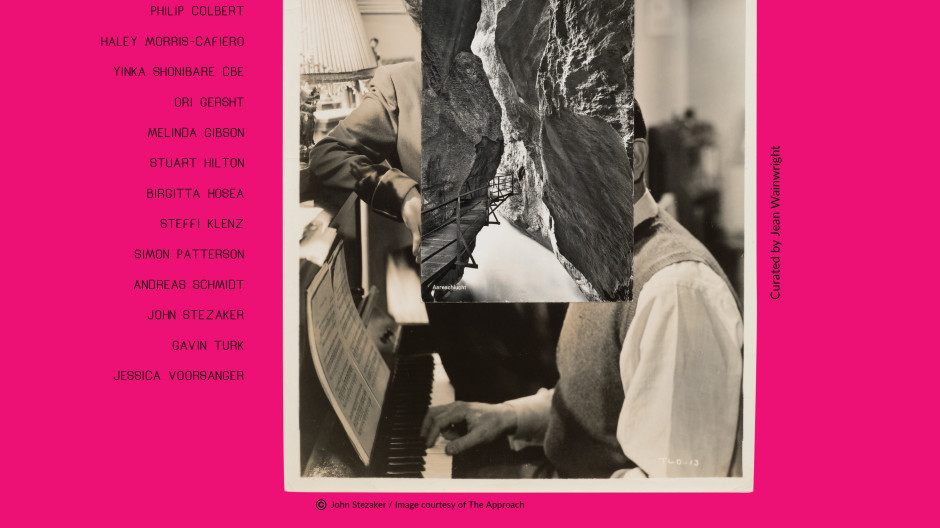
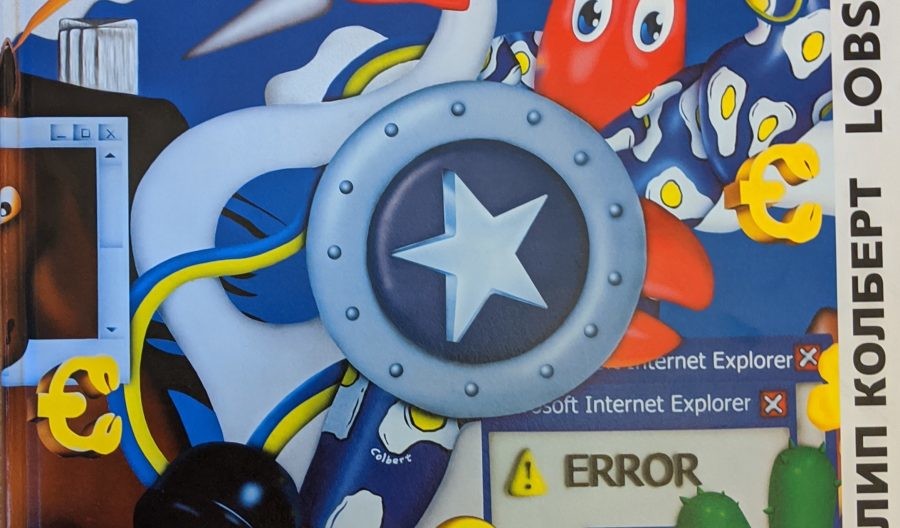
Philip Colbert
Haley Morris-Cafiero
Yinka Shonibare CBE
Ori Gersht
Melinda Gibson
Stuart Hilton
Birgitta Hosea
Steffi Klenz
Simon Patterson
Andreas Schmidt
John Stezaker
Gavin Turk
Jessica Voorsanger
Curated by Jean Wainwright
Beg, Steal, Borrow Exhibition Catalogue
Recycling, borrowing, stealing, shamelessly ripping off… artists scavenge. They remix. They find new pathways, links and meanings. They plunder from past or present to create debate. In ‘steal this essay’ Heidi Zuckerman Jacobson poses the question: ‘What imagery is so pervasive that claims of ownership seem facile? And are artists in their ability and need to comment on contemporary culture, thereby somehow entitled to universal usage?’ Art is timeless, but art is also provisional, one iteration of an idea giving way to another: Raphael and Diego Velázquez to Édouard Manet, Andy Warhol to Sturtevant, Walker Evans to Sherrie Levine, in our digital age, these iterations are becoming far speedier. This is putting the laws that relate to copyright under huge pressure. While these laws protect the rights of an artwork’s creator for seventy years, online work can be copied, parodied and memed a thousand times in our age of digital acceleration. We are exposed to so many often fleeting, visual influences. For many artists appropriation is about addition or reinterpretation, so that the new creation is unique, yet contains within it copies or traces of the original.
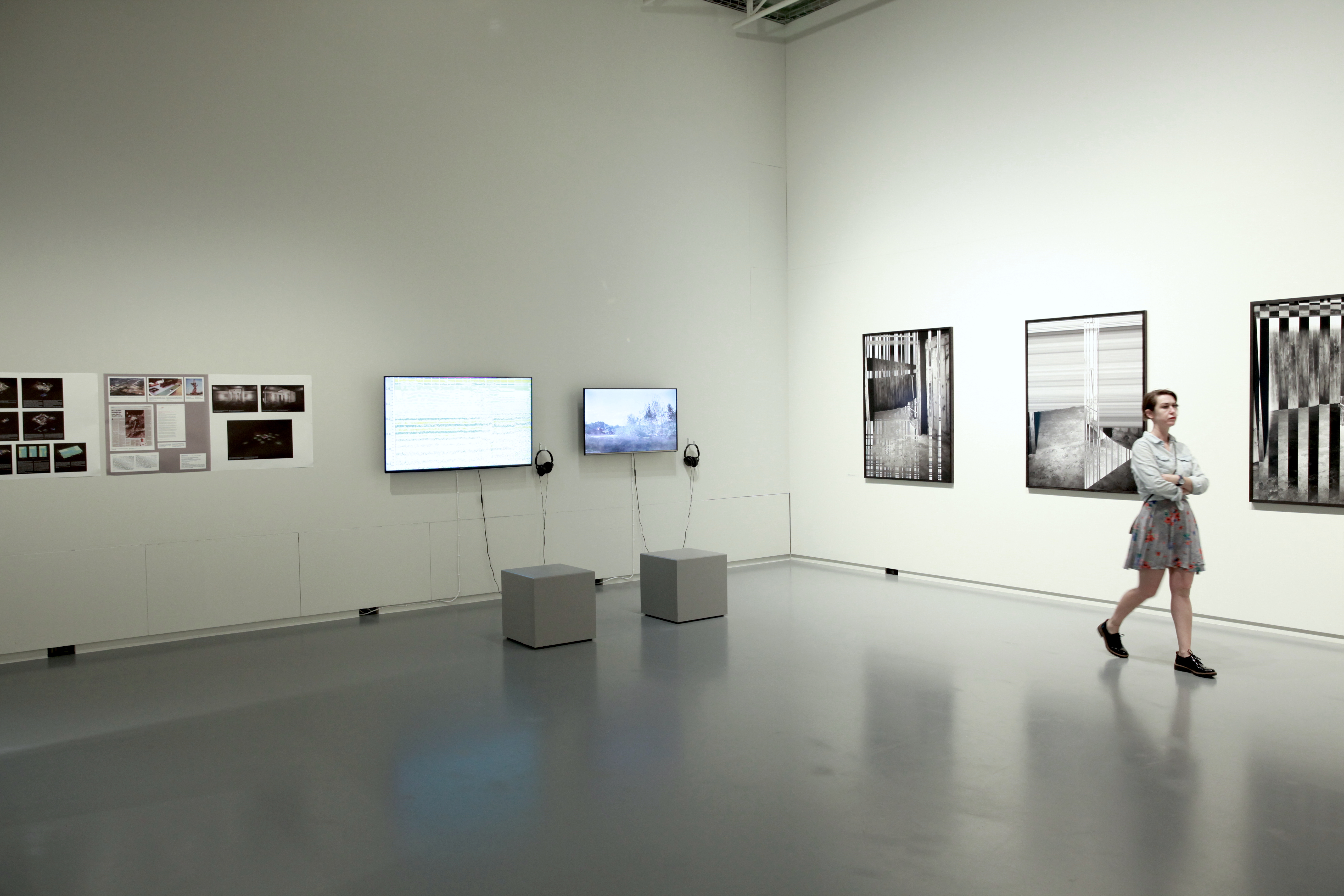
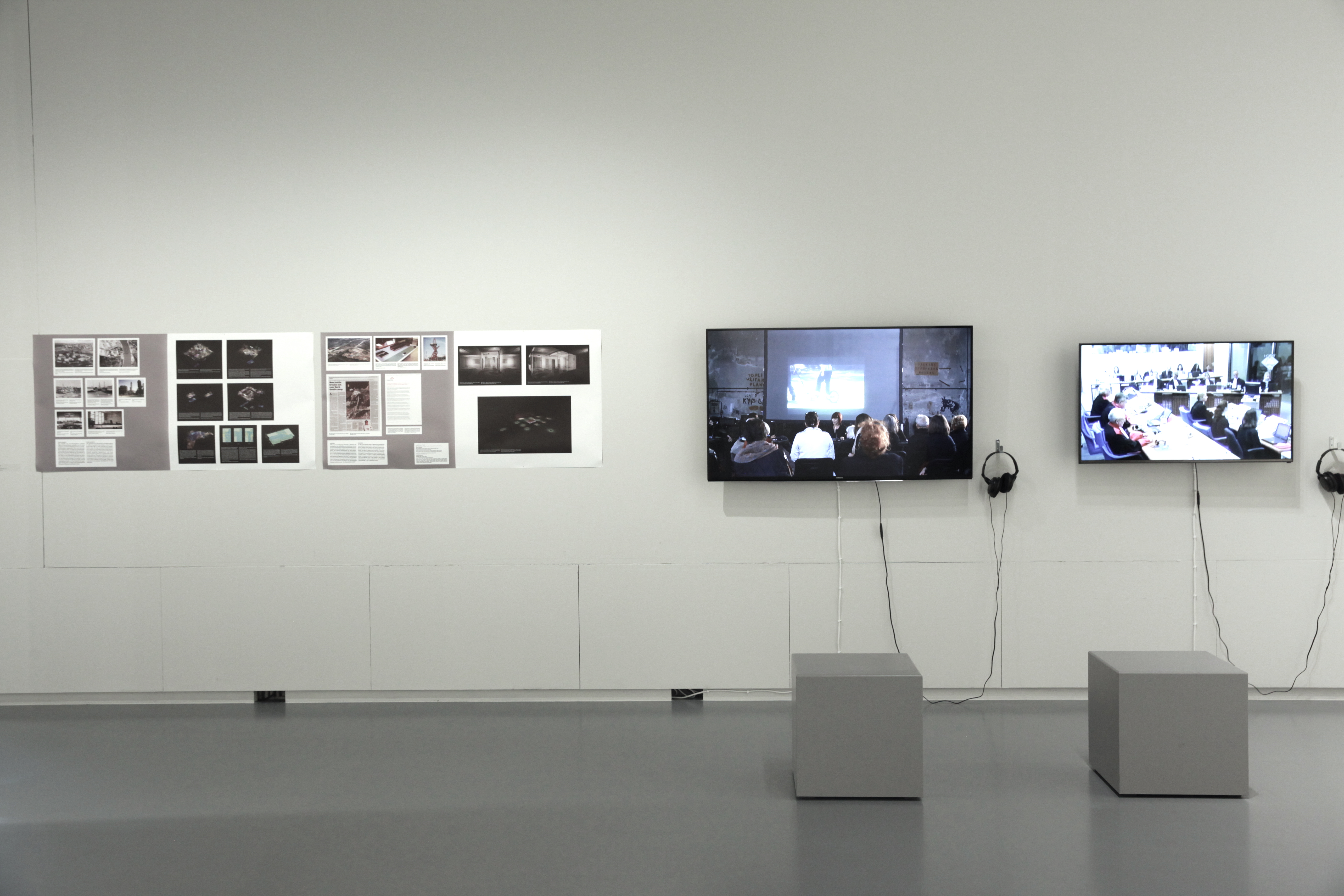
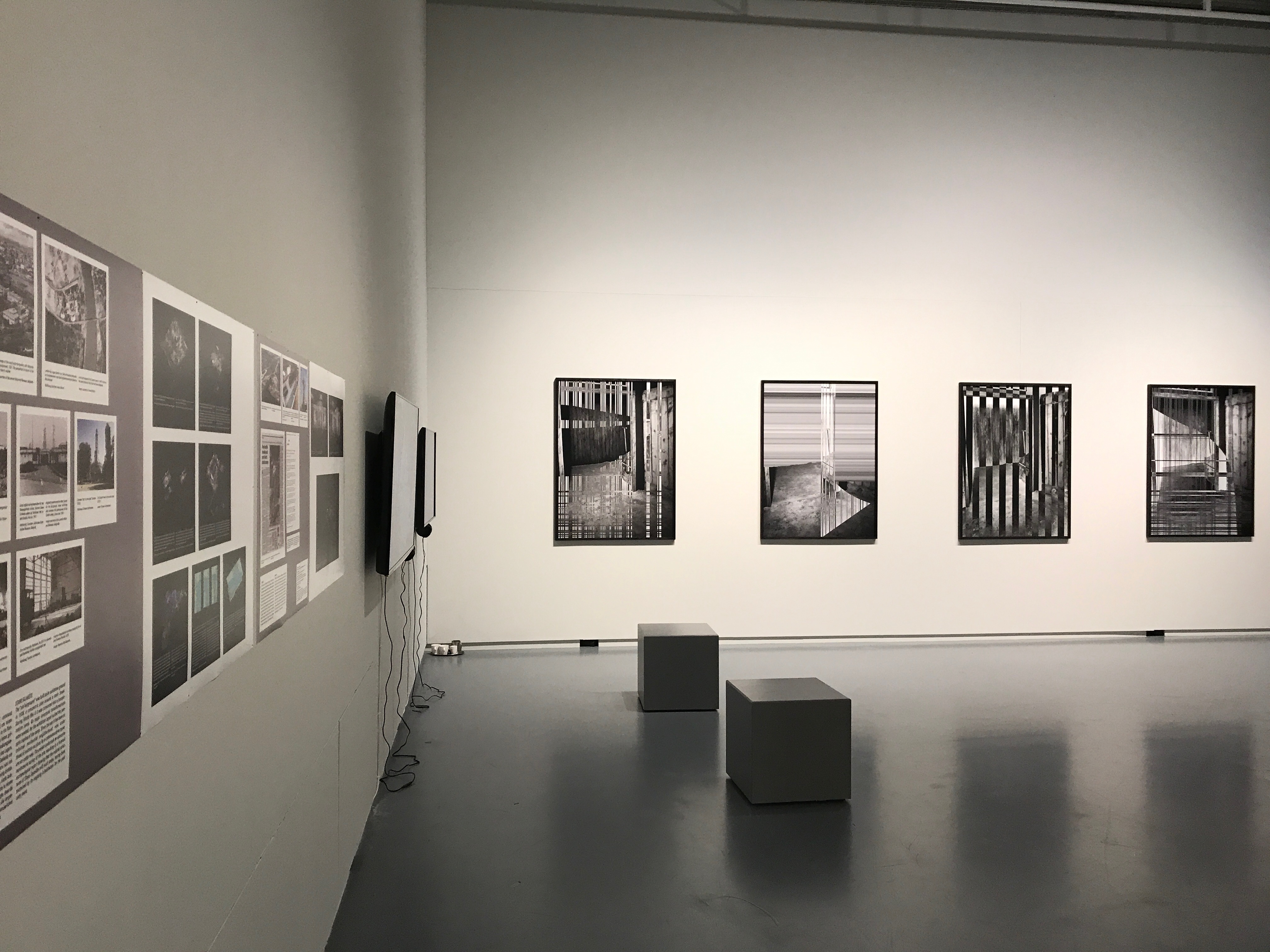
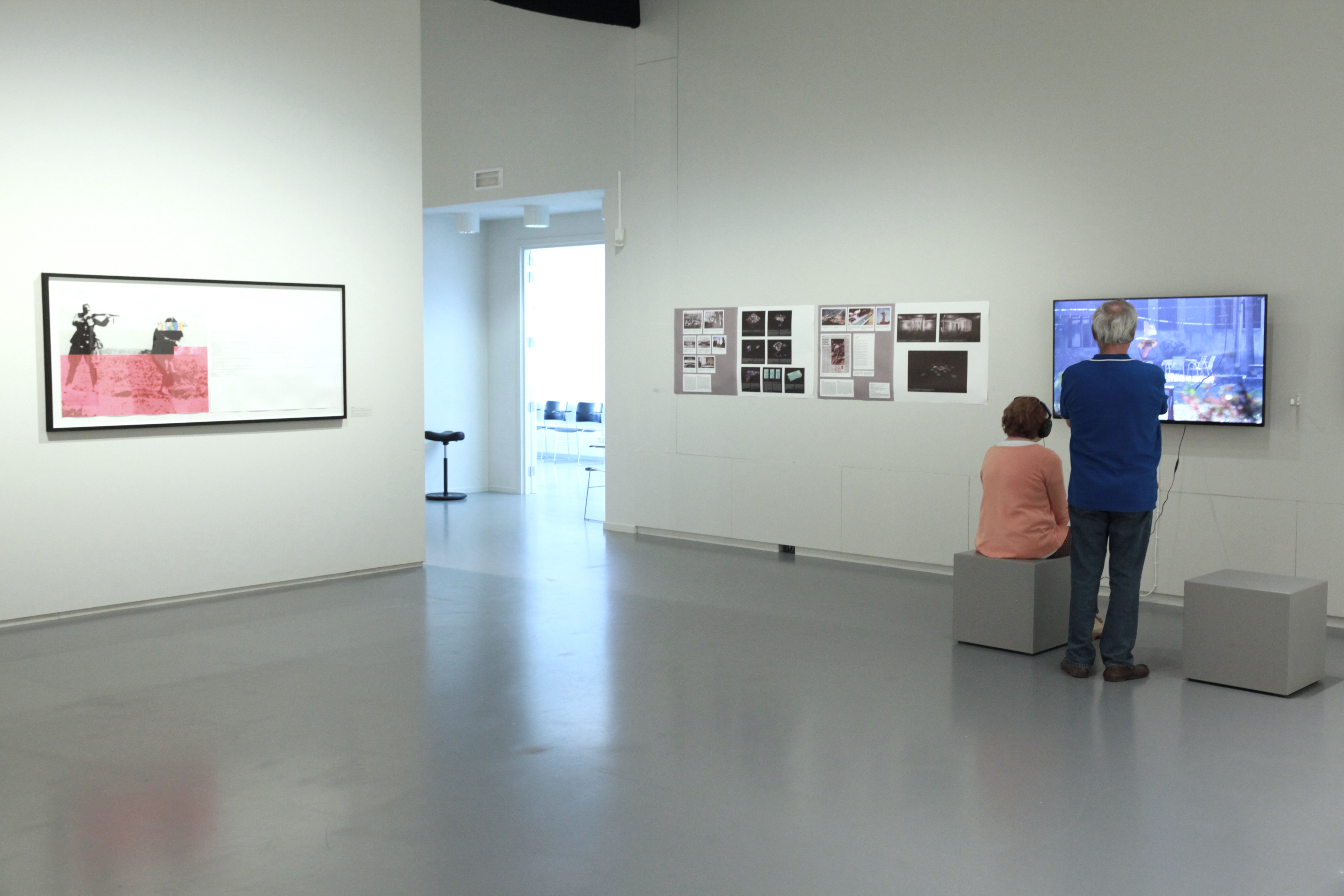
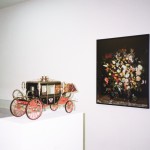
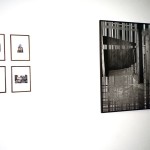
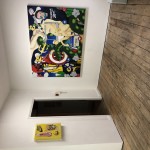
The artists in Beg, Steal and Borrow, scavenge, remix, recreate, find new pathways, links and meanings. They are using what is already there to fashion new work and create pressing debates. Interconnected in their dynamic engagement their work is multilayered, yet bearing a trace or reference to the other art works or contemporary issues, from art history to archival material, colonial history to online bullying. There are collages and sculptures, large canvases, photographs, appropriated collections and videos. Each work is unique yet bears pertinent traces to its artistic coded pathway.
project-space.london/beg-steal-and-borrow